Carved into a volcanic cliff above the Mtkvari River, Vardzia is one of the most breathtaking archaeological wonders in the Caucasus. A Vardzia tour takes you deep into a medieval world of tunnels, frescoes, and monastic chambers that have survived for over 800 years.
Featured Tour
A professionally guided Vardzia tour ensures you discover every hidden chamber, fresco, and legend within this extraordinary cave monastery complex. Whether you join a Vardzia tour from Tbilisi or arrive independently, expert guides bring the 12th-century history of Queen Tamar's rock-cut city vividly to life. Tours typically combine Vardzia with nearby Rabati Fortress and Khertvisi, maximizing your time in the Samtskhe-Javakheti region. Secure your spot early, especially during summer peak season.
About the Destination
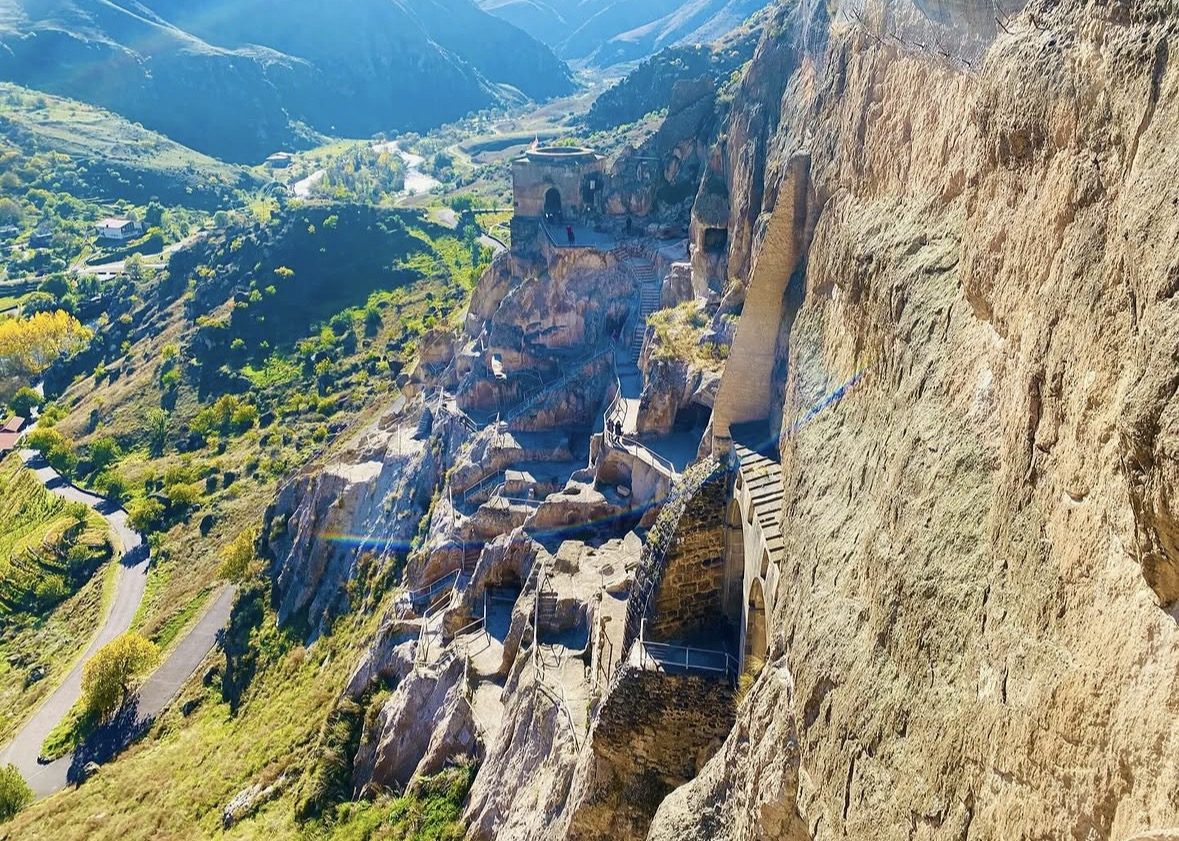
Nestled in the remote Javakheti highlands of southern Georgia, Vardzia is a UNESCO-listed cave monastery that has awed visitors for centuries. Every Vardzia tour reveals a labyrinth of rock-cut rooms, churches, and wine cellars hidden within a towering volcanic cliff.
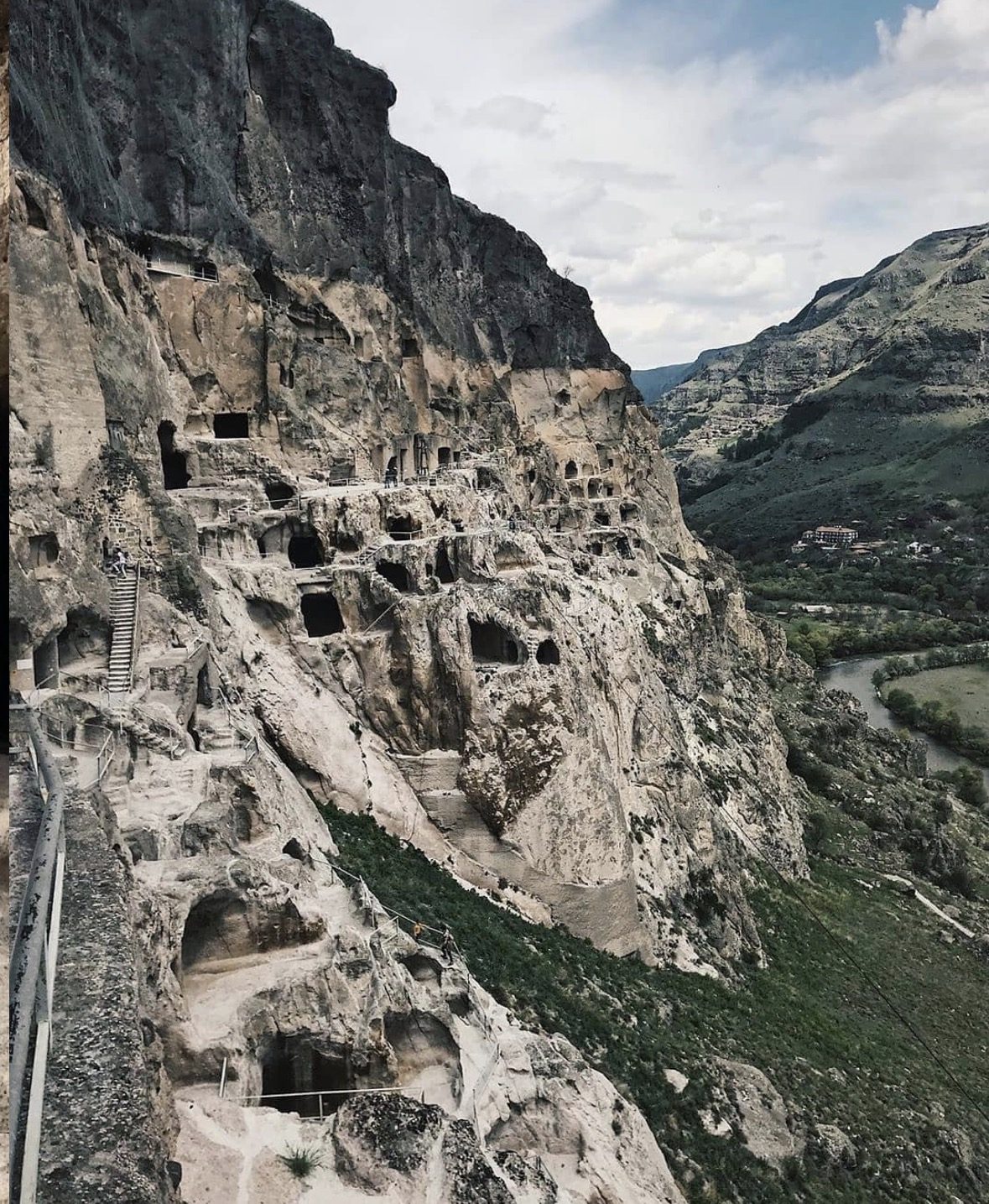
A Vardzia tour places you at one of the most spectacular sites in the entire Caucasus region. Located approximately 70 km southwest of Akhaltsikhe in the Samtskhe-Javakheti region, the Vardzia cave city stretches for roughly 500 meters along the face of Erusheti Mountain. At its peak, the complex contained around 3,000 apartments spread across 13 levels, housing up to 50,000 people. Today, visitors can explore hundreds of surviving cave rooms, corridors, and churches that tell the story of medieval Georgian civilization.
The history behind every Vardzia tour begins in the 12th century when King Giorgi III initiated construction, later expanded by his legendary daughter Queen Tamar. Built as both a monastery and a military stronghold, Vardzia sheltered Georgian troops before the decisive 1195 Battle of Shamkor. A catastrophic earthquake in 1283 collapsed the mountain's outer face, exposing the once-hidden interior to the world. The Vardzia monastery complex was subsequently raided by Persian forces in 1551, yet its Church of the Dormition and remarkable frescoes survived remarkably intact.
Visitors on a Vardzia tour often describe the experience as walking through a living history book. The site rewards exploration — narrow tunnels connect wine cellars, sleeping quarters, pharmacies, and a bathhouse. The Church of the Dormition contains original 12th-century frescoes, including a rare portrait of Queen Tamar. Vardzia inside feels both intimate and monumental, a contrast that makes every corner worth photographing. A resident monk community still inhabits part of the complex, giving the Vardzia monastery complex a spiritual atmosphere unlike any other ancient site in Georgia.
The Vardzia cave city reached its greatest expansion during Queen Tamar's reign. She transformed what began as a military refuge into a grand monastic city with a royal chamber, church, and an elaborate water supply system.
A massive earthquake in 1283 caused roughly two-thirds of the mountain facade to collapse, exposing the cave interior. This geological disaster transformed Vardzia from a hidden fortress city into the open cliff-face monument visible on every Vardzia tour today.
The Church of the Dormition preserves original 12th-century frescoes that are among the finest examples of Georgian medieval art. The portrait of Queen Tamar depicted inside is one of only a few authenticated contemporary likenesses of the famous monarch.
Vardzia inside contains extensive marani — traditional Georgian wine cellars carved directly into the rock. These cellars stored wine in large clay qvevri vessels, reflecting the deep-rooted winemaking culture that has defined Georgian civilization for millennia.
The complex was designed to be fully self-sufficient, featuring three freshwater springs, irrigation channels, and a sophisticated drainage system. This engineering allowed the Vardzia monastery complex to sustain tens of thousands of residents during wartime sieges.
Unlike many ancient sites, part of Vardzia remains an active Orthodox monastery. A small community of Georgian Orthodox monks still lives and worships within the caves, giving every Vardzia tour a rare sense of continuity between the medieval past and living present.
Wander freely through hundreds of interconnected cave rooms, tunnels, and stairways carved into the cliff. A Vardzia tour self-guided option lets you set your own pace and linger in spaces that spark your curiosity, from ancient wine cellars to a royal bedchamber.
Vardzia photos are among the most dramatic in all of Georgia, especially from the upper terrace lookout points where the full scale of the cave city becomes clear. Golden hour lighting transforms the volcanic rock into warm amber tones perfect for landscape photography.
The spiritual centerpiece of every Vardzia tour is the Church of the Dormition, adorned with 12th-century frescoes. Visitors should dress modestly and speak quietly, as the church remains an active place of worship used by the resident monastic community.
The hills above and around Vardzia offer excellent hiking with panoramic views over the Mtkvari River gorge and the cave city facade. Trails of varying difficulty make this a great addition to your Vardzia tour, especially for nature lovers and active travelers.
Most organized Vardzia tour itineraries pair the cave city with Khertvisi Fortress, one of the oldest fortresses in Georgia, and the impressive Rabati Castle in Akhaltsikhe. Together, these sites paint a rich picture of medieval Georgian military and cultural history.
Small restaurants and cafes near the Vardzia entrance serve traditional Samtskhe-Javakheti dishes, including hearty bean soups and freshly baked shotis puri bread. Pairing a meal with local wine after your Vardzia tour is a deeply satisfying and authentic Georgian experience.
Travel Guide
Everything you need to know to plan a seamless and rewarding Vardzia tour from start to finish.
Reaching Vardzia requires some planning, as the site sits in a remote mountain valley about 300 km from Tbilisi. The most popular option is booking a Vardzia tour from Tbilisi with a private driver or group tour operator, covering the journey in roughly 4–5 hours each way. Many tours stop at Borjomi and Rabati Castle en route, making the long drive worthwhile. Alternatively, travelers can reach Akhaltsikhe by marshrutka and arrange local transport from there.
From Akhaltsikhe, shared marshrutkas to Vardzia depart in the morning and return in the afternoon — always confirm schedules locally as they can change seasonally. Renting a car in Tbilisi gives the most flexibility, and the drive through the Mtkvari gorge is scenic and enjoyable. A Vardzia tour from Tbilisi by private transfer remains the most comfortable and time-efficient option for most international visitors exploring southern Georgia.
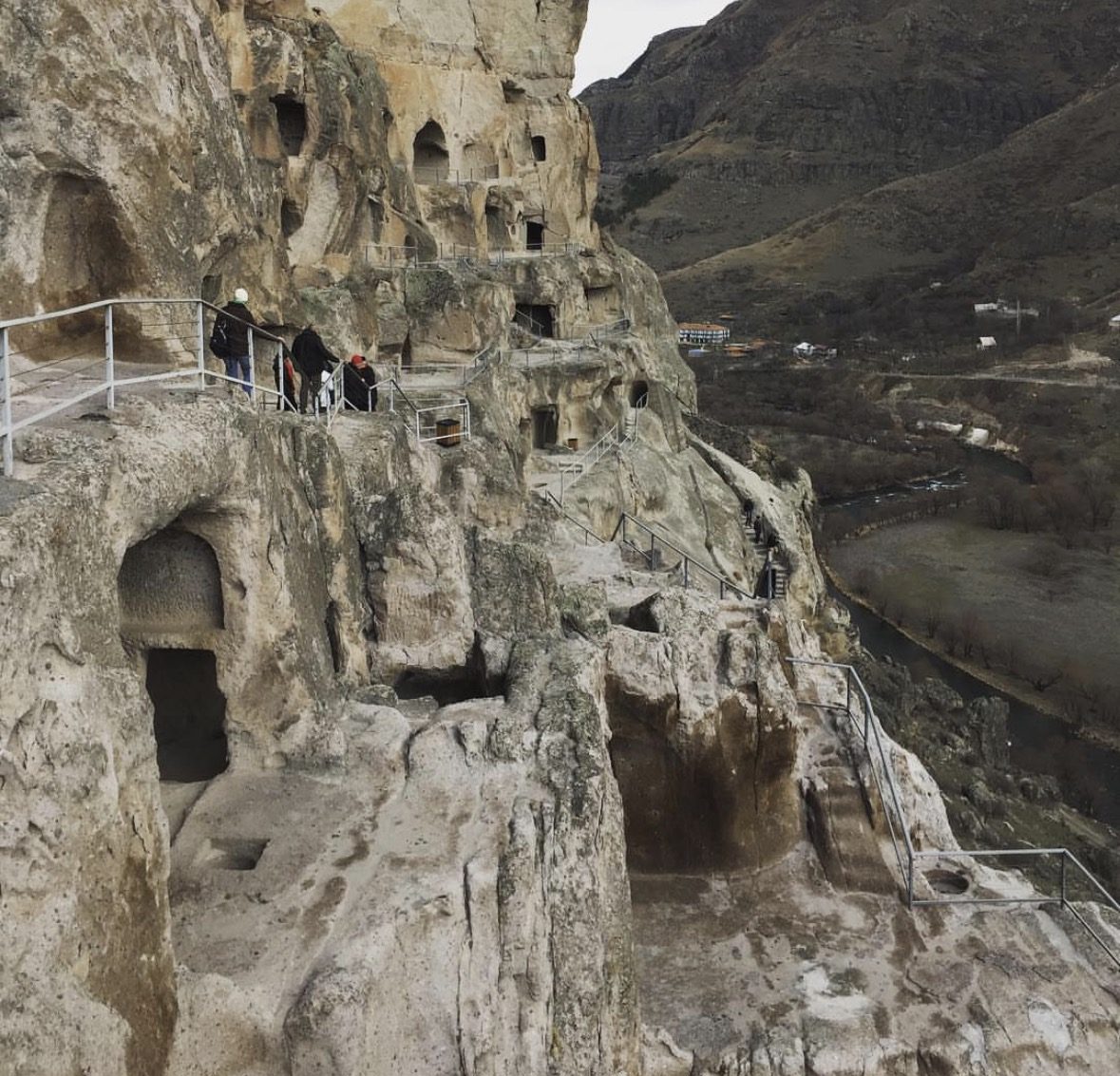
The best time for a Vardzia tour is late spring (May–June) and early autumn (September–October), when temperatures are mild, skies are clear, and the surrounding landscape is lush and green. Summer months are warm and busy with tourists, but the cave interiors remain naturally cool. Winter visits are possible but the mountain roads can be icy and some marshrutka services reduce frequency, making a private Vardzia tour a wiser choice in colder months.
Spring brings wildflowers to the Mtkvari valley and comfortable hiking temperatures ranging from 15–22°C. Summer peaks at around 30°C outside, though Vardzia inside stays refreshingly cool thanks to its stone construction. Autumn delivers golden foliage and softer light ideal for Vardzia photos. Winter temperatures can drop below freezing, with occasional snow adding dramatic beauty to the cliffs, but access becomes more challenging without a private vehicle.
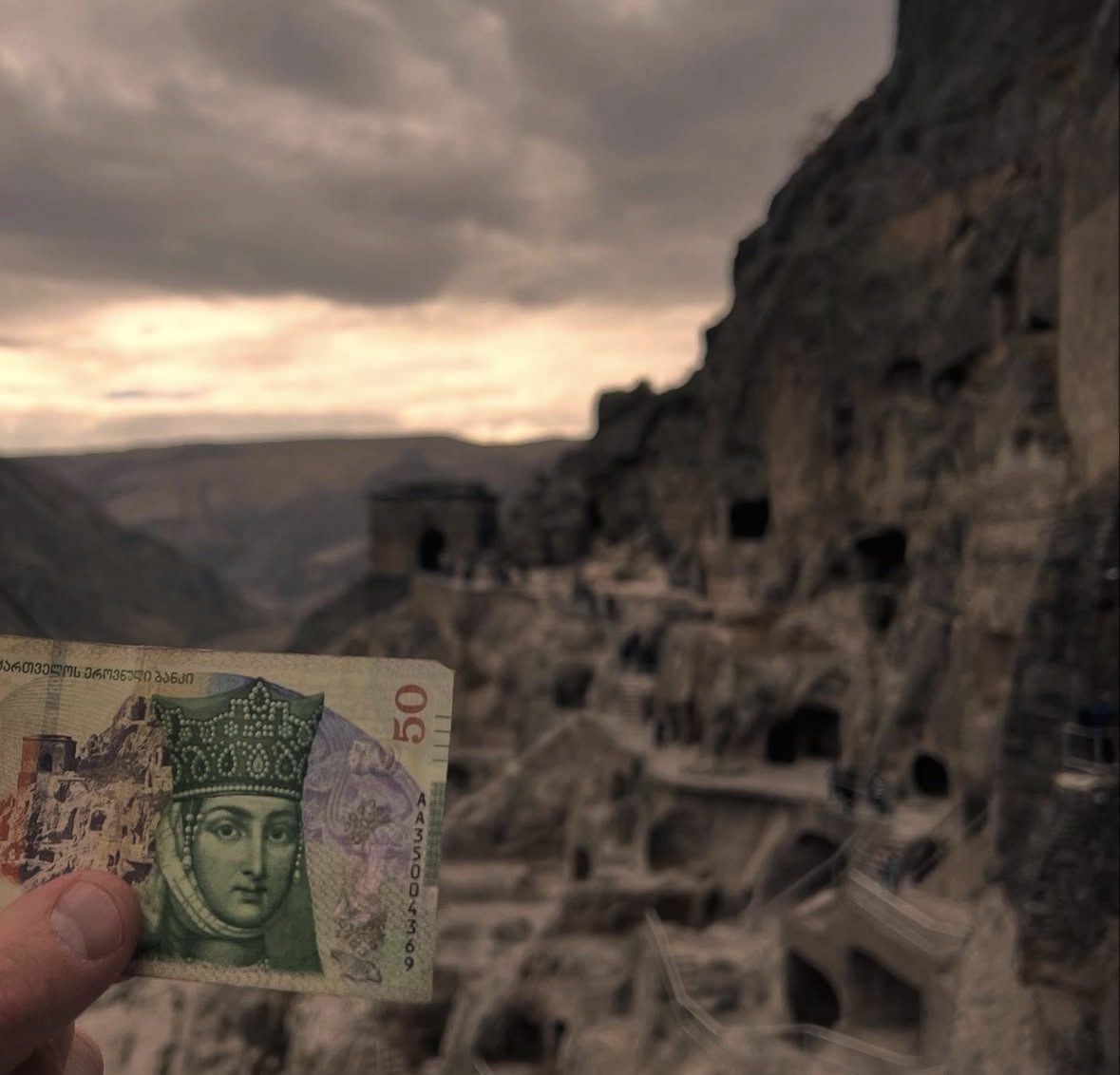
Packing smart for a Vardzia tour will make your visit far more comfortable. The cave tunnels involve significant walking, narrow passages, and uneven rock steps, so sturdy footwear is essential. Modesty clothing is required to enter the Church of the Dormition — women should bring a headscarf and all visitors should cover shoulders and knees. Bring a jacket even in summer, as Vardzia inside the caves remains noticeably cool throughout the year.
Sun protection is important on the open terraces and hiking trails above the caves, where exposure can be intense at altitude. A small daypack makes it easy to carry water, snacks, and a camera throughout your Vardzia tour. Cash in Georgian Lari is necessary for the Vardzia entrance fee and any purchases near the site, as card payment facilities are limited in this remote location.
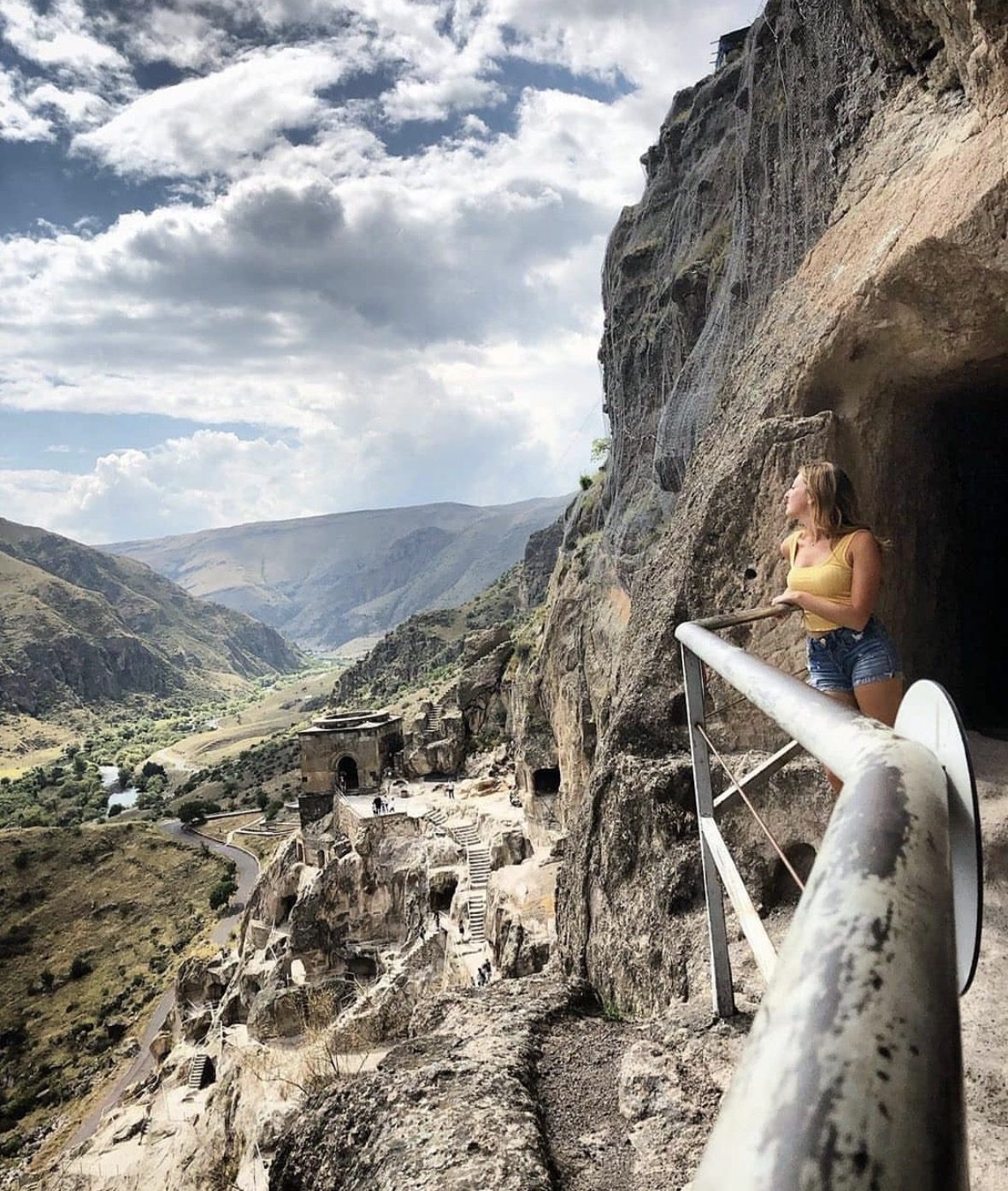
Arriving early is the single best tip for any Vardzia tour — the site opens at 10:00 AM and the first hour sees significantly fewer visitors than midday. Hiring a licensed local guide at the entrance adds enormous value, as many unmarked caves and frescoes are easy to miss without context. The resident monks appreciate respectful silence near the monastery sections, and photography inside the church may be restricted — always ask before shooting.
The Vardzia ticket price is very affordable at around 7 GEL for adults, making it excellent value. Combine your visit with the nearby Tmogvi Fortress ruins for a full day in the gorge. Local guesthouses in Aspindza village offer affordable overnight stays, allowing a relaxed morning Vardzia tour the next day without the pressure of a long return drive to Tbilisi in the same afternoon.
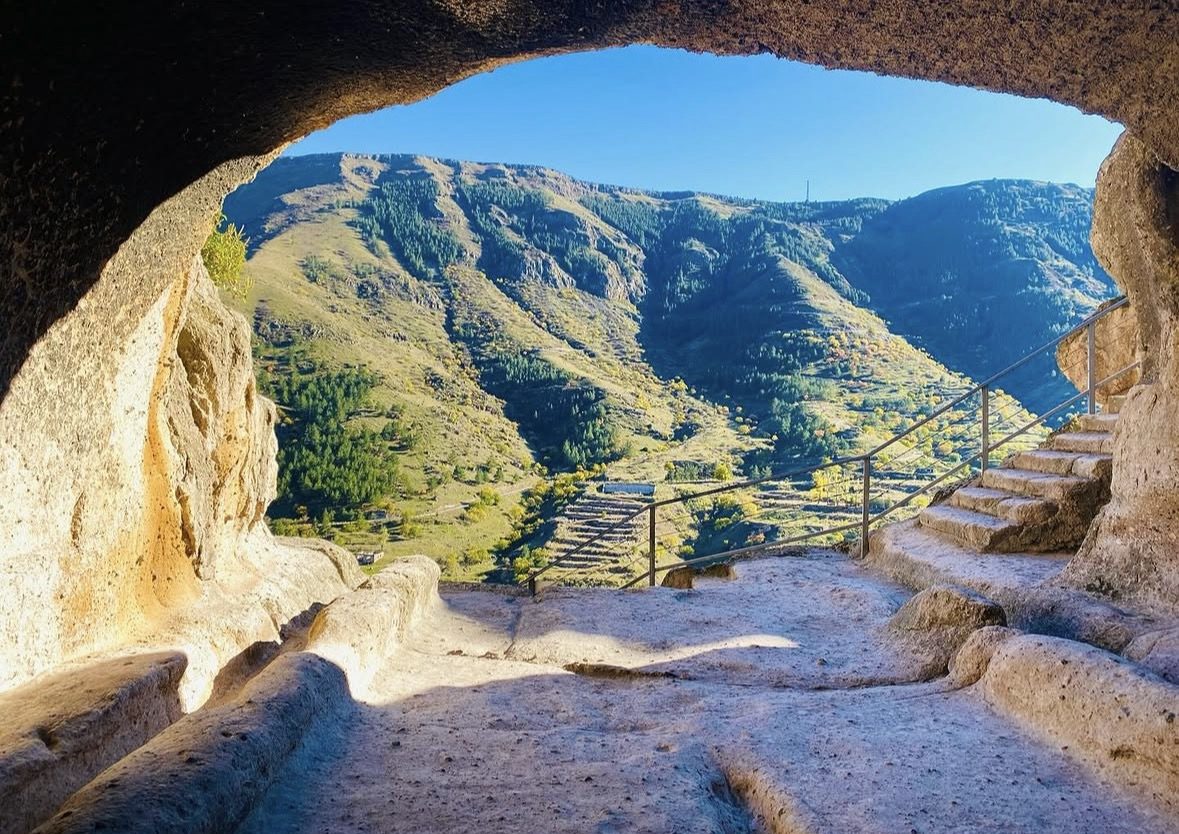
A Vardzia tour involves physical activity — expect to climb steep stairs, duck through low tunnels, and walk on uneven surfaces for 2–3 hours. Visitors with mobility issues should be aware that much of the site is not wheelchair accessible. No specific vaccinations are required for Georgia, but routine immunizations should be up to date. Travel insurance covering medical evacuation is strongly recommended, as the nearest major hospital is in Akhaltsikhe, roughly 70 km away.
The mountain roads to Vardzia can be narrow and winding — drive cautiously and avoid night driving. There is no mobile signal in parts of the gorge, so download offline maps before your Vardzia tour. Stay on marked paths within the cave complex, as some areas have unfenced drops. Georgia is generally safe for tourists, but keep valuables secure in busy season and be cautious on wet rock surfaces inside the caves.
Explore More
Extend your Vardzia tour by exploring these remarkable sites within easy reach of the cave city.
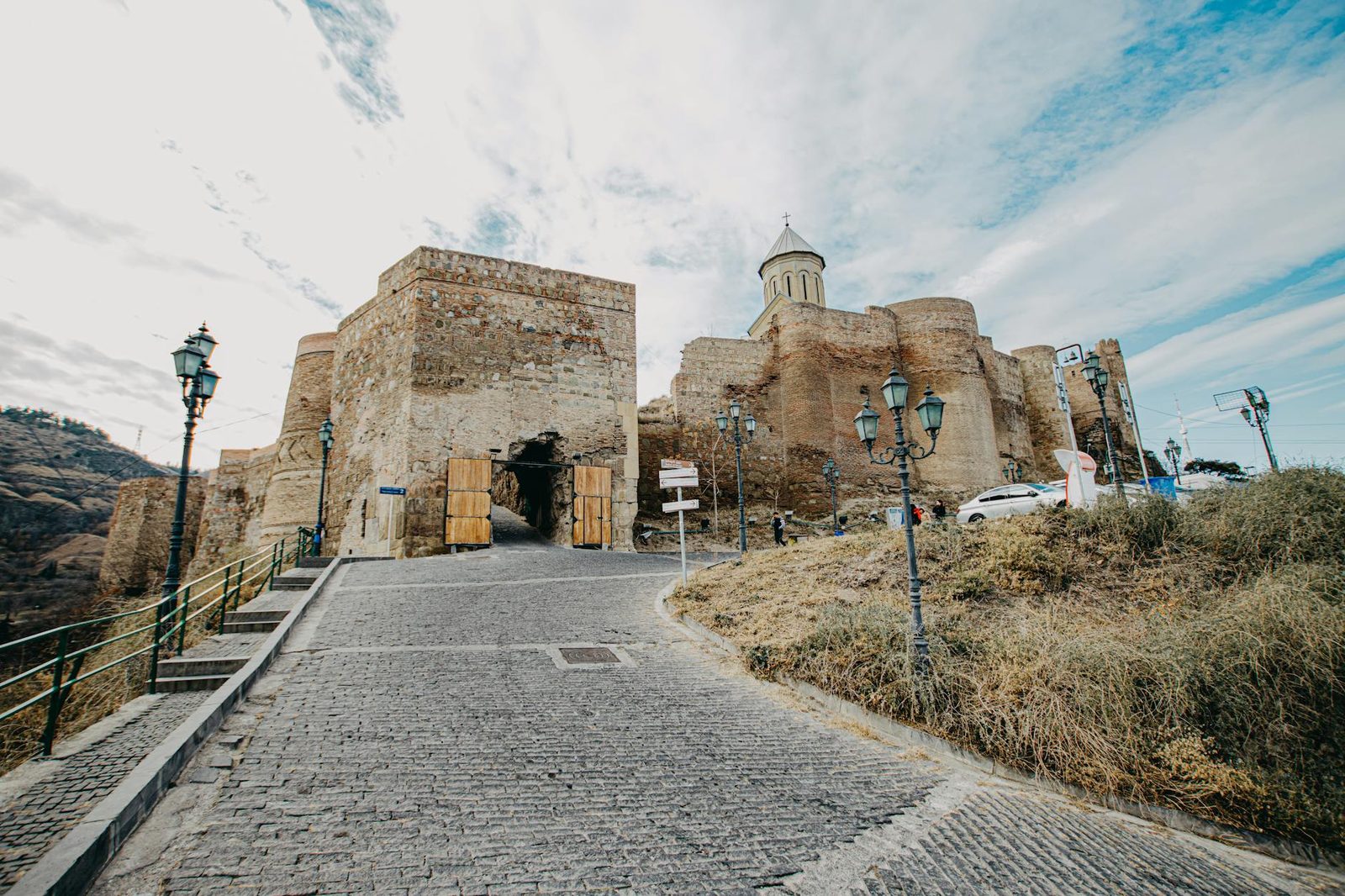
A stunning medieval fortress complex blending Georgian, Ottoman, and Persian architecture. Rabati Castle offers museums, mosques, and panoramic views over Akhaltsikhe city.
📍 Akhaltsikhe District, Samtskhe-Javakheti Discover this place →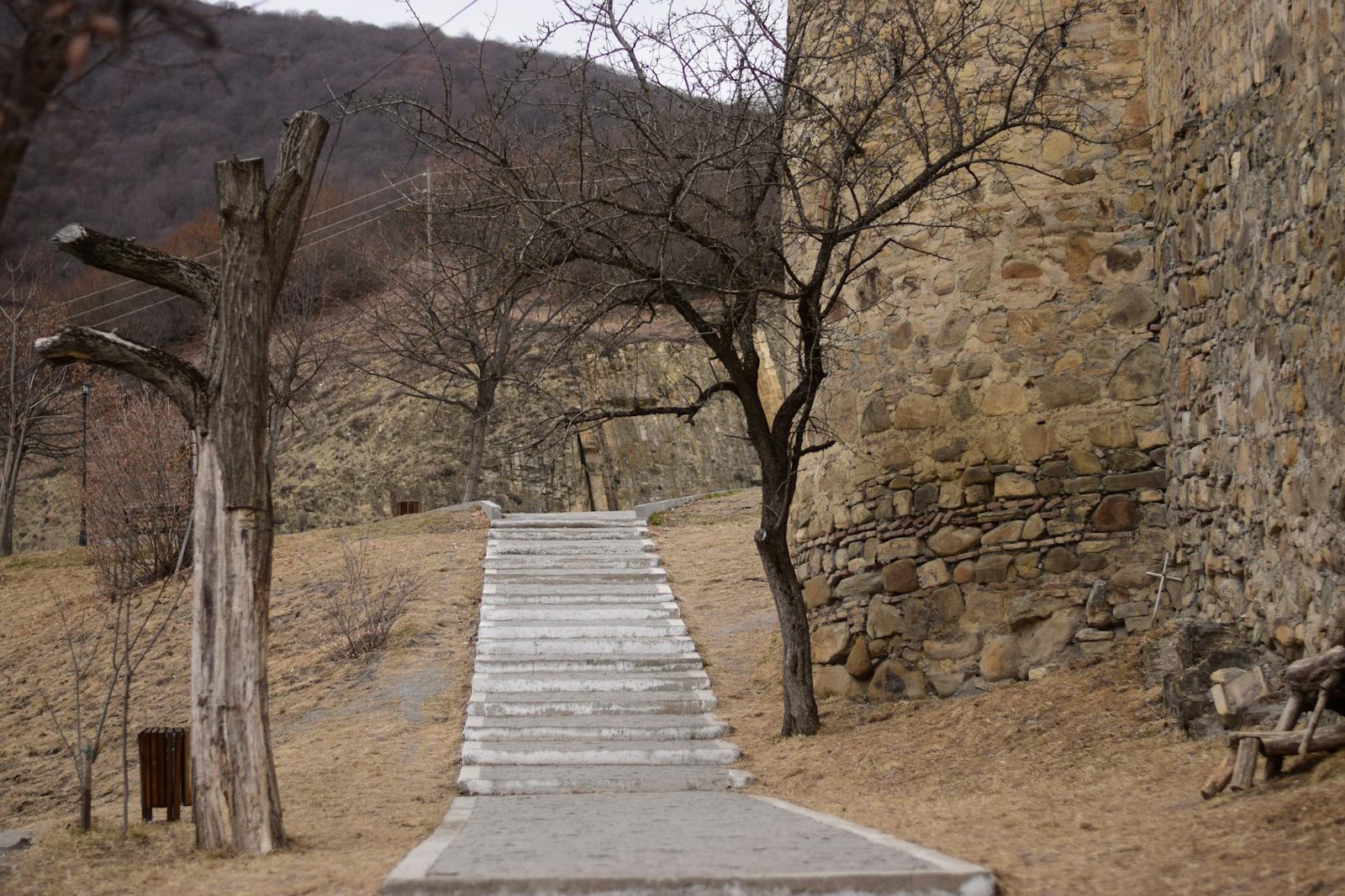
One of Georgia's oldest fortresses dramatically rising above the confluence of two rivers. Khertvisi's imposing towers and ancient walls offer breathtaking views and rich history.
📍 Aspindza District, Samtskhe-Javakheti Discover this place →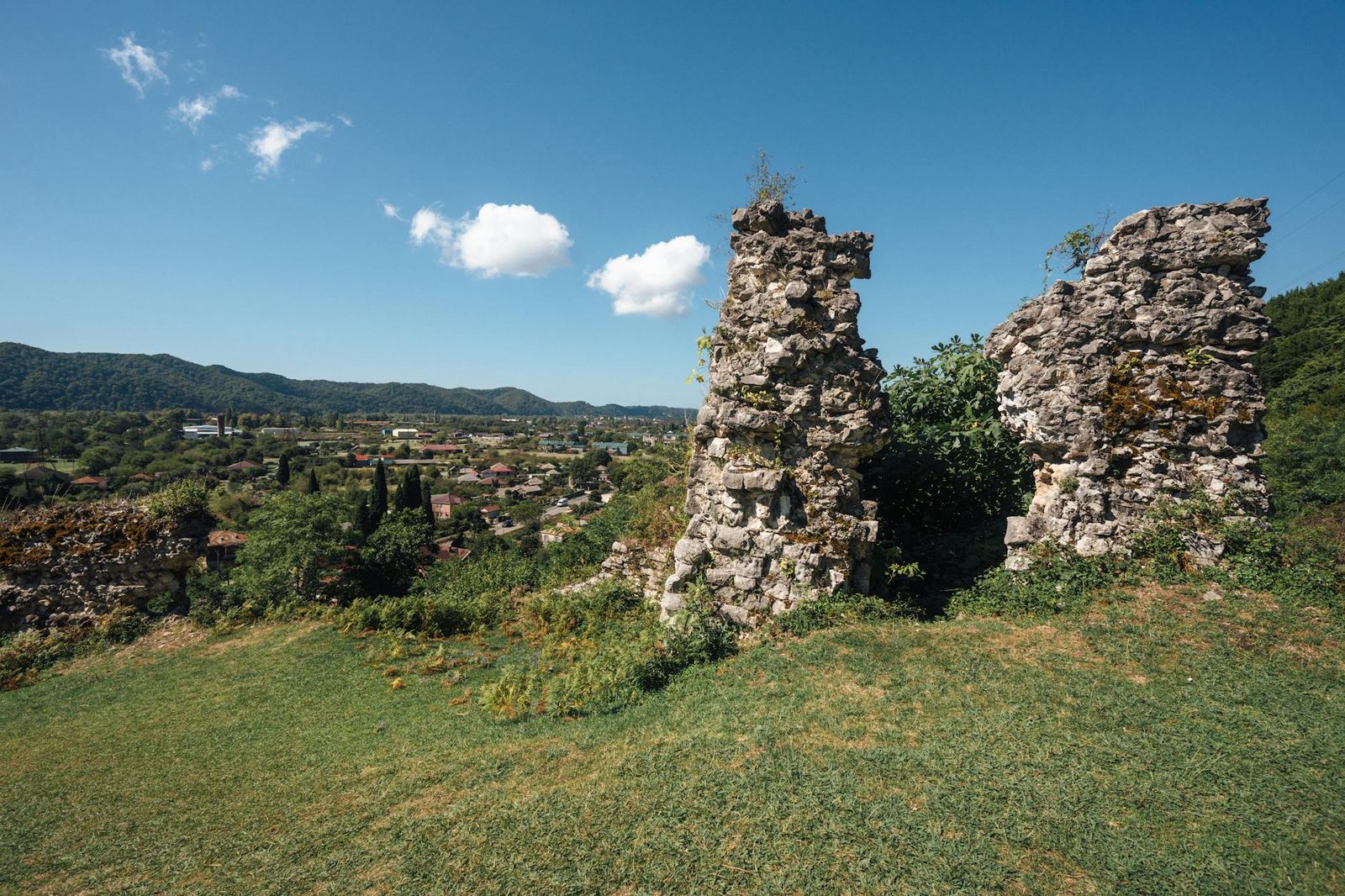
A hauntingly beautiful ruined fortress clinging to a sheer volcanic rock above the Mtkvari gorge. Tmogvi Castle rewards adventurous hikers with extraordinary canyon views.
📍 Aspindza District, Samtskhe-Javakheti Discover this place →Traveler Reviews
Read what travelers from around the world say about their vardzia tour experience.
"This vardzia tour was absolutely one of the most unforgettable experiences of my entire trip to Georgia. The vardzia cave city is even more impressive in person than in any vardzia photos you've seen online — the sheer scale of the cliff carvings left me speechless. Our guide was incredibly knowledgeable about the history of the vardzia monastery complex, explaining how Queen Tamar shaped this remarkable place. I would recommend this vardzia tour to absolutely anyone visiting the Caucasus region."
"I booked a vardzia tour from tbilisi and it was the best decision of my whole Georgia itinerary. The drive through the Mtkvari river valley was stunning, and arriving at the vardzia cave city felt like stepping back into the medieval era. Going vardzia inside the tunnels and chambers was genuinely thrilling — the frescoes in the Church of the Dormition are breathtaking. This vardzia tour is worth every penny and every hour of travel."
"Our vardzia tour was a fantastic experience overall, though I wish we had more time to explore at our own pace. The vardzia entrance fee was very reasonable and the site itself is genuinely spectacular — hundreds of cave rooms carved into a volcanic cliff. I took so many vardzia photos that I nearly filled my camera's memory card. I'm giving four stars only because the tour felt slightly rushed, but the vardzia tour itself is highly recommended."
"This was my second vardzia tour and I enjoyed it even more than the first time, knowing where to go and what to look for. The vardzia monastery complex is simply one of the most extraordinary human achievements I have ever witnessed — nothing prepares you for seeing it up close. The monks still living there add a spiritual atmosphere that makes the whole vardzia tour feel deeply meaningful. If you are wondering is vardzia worth visiting, the answer is an absolute and emphatic yes."
"The vardzia tour exceeded every expectation I had after spending weeks researching Georgia travel. Exploring vardzia inside the carved tunnels and chambers, with an expert guide explaining the history of each room, was a truly immersive experience. The vardzia cave city stretches across an enormous cliff face and the views from the upper levels are absolutely magnificent. I cannot recommend this vardzia tour highly enough — it is a world-class historical site that deserves far more international recognition."
"I joined a vardzia tour from tbilisi as a solo traveler and found the group atmosphere really enjoyable. The vardzia ticket price is extremely affordable compared to similar heritage sites across Europe and the Middle East. Our guide shared wonderful stories about Queen Tamar and the legend behind the name Vardzia, which brought the vardzia cave city to life in a memorable way. I'd suggest arriving early on your vardzia tour to beat the midday crowds during summer."
"Having previously visited Uplistsikhe, the vardzia tour gave me a fascinating chance to compare Georgia's two great cave cities, and Vardzia wins on sheer drama and scale. The vardzia monasterio aspect of the site — with its still-active religious community — adds a living, spiritual dimension you simply don't get everywhere. The vardzia photos I took here became some of the most shared images from my entire Caucasus adventure. This vardzia tour is genuinely one of the best travel experiences I have had in years."
"We did a combined Rabati and vardzia tour and the whole day was perfectly organized from start to finish. The vardzia opening hours gave us plenty of time to explore the site thoroughly, and the verdant Javakheti landscape surrounding it made the journey itself part of the experience. Seeing the ancient frescoes inside the Church of the Dormition during our vardzia tour was a genuinely moving moment that I will remember for a lifetime. If you are debating uplistsikhe vs vardzia for your Georgia trip, I say do both — but vardzia is simply spectacular."
Watch Before You Go
See stunning footage of the Vardzia cave city before you book your tour and experience it in person.
Location
Vardzia Cave Monastery is located on Erusheti Mountain near Aspindza, Samtskhe-Javakheti region, southern Georgia, approximately 70 km southwest of Akhaltsikhe.
FAQ
Everything you need to know before booking your vardzia tour, from practical details to insider tips.
Discover More
From its founding by King Giorgi III in the 12th century to its survival of earthquakes, Persian invasions, and centuries of abandonment, Vardzia's history is a breathtaking saga of Georgian resilience and faith. A full Vardzia tour only scratches the surface of the extraordinary story embedded in every carved chamber and faded fresco.